
01
Settle ownership first
Matrimonial property, co-ownership, trust ownership and contractual rights affect what the deceased actually owned. A will cannot distribute another person's share.
South African law checked 3 August 2026
The law of succession decides who may receive a deceased person's estate. A valid will usually leads the distribution. If there is no valid will, or the will leaves part of the estate undisposed of, statutory intestate rules apply.
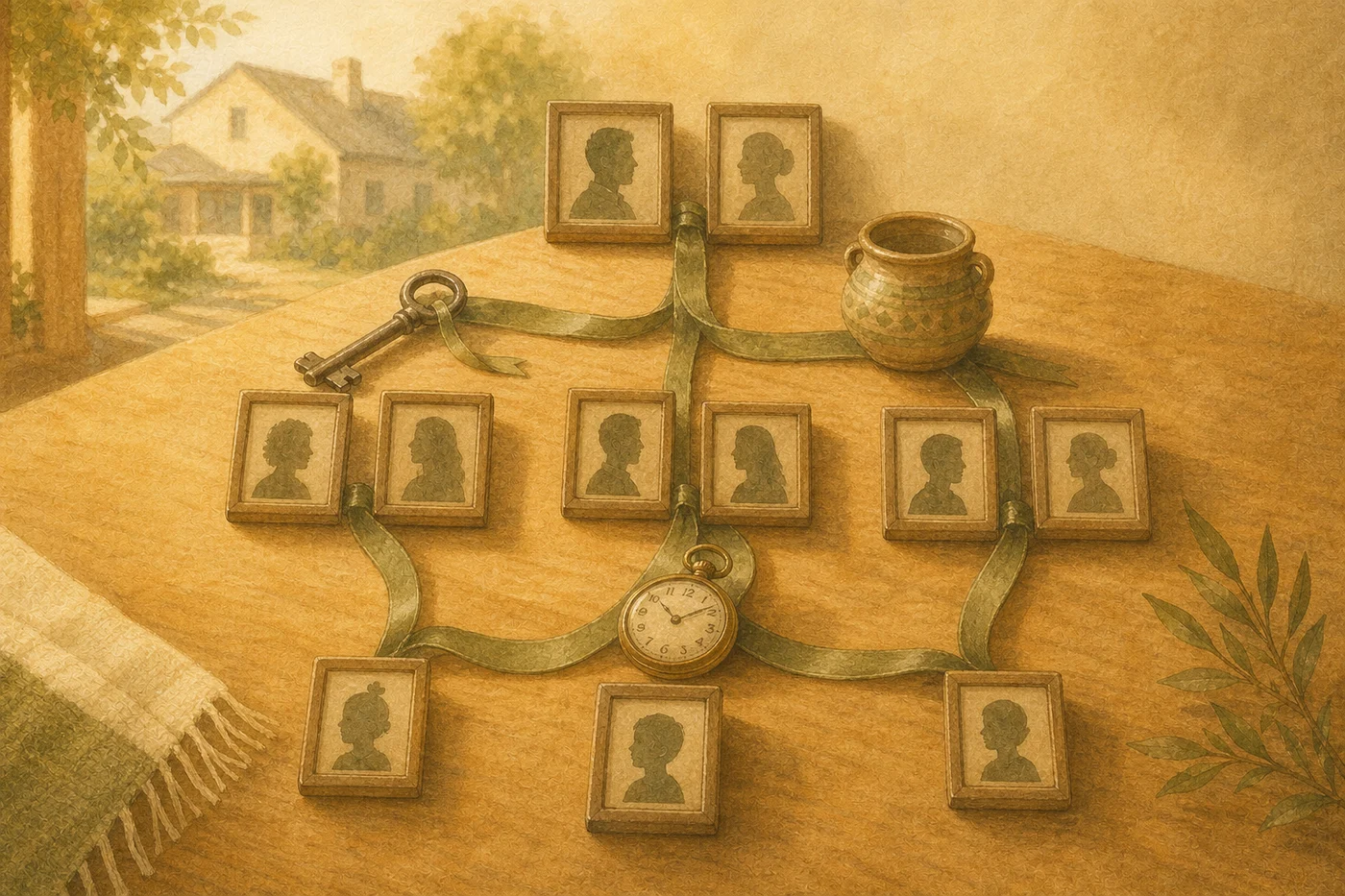
The practical map
01
Matrimonial property, co-ownership, trust ownership and contractual rights affect what the deceased actually owned. A will cannot distribute another person's share.
02
Retirement-fund benefits, some policy proceeds and trust assets can follow their own statutes, nominations, trustee decisions or deeds rather than the will.
03
The executor then applies an accepted valid will to estate assets and uses the Intestate Succession Act for any intestate portion.
Section 1
Testate succession applies when the deceased left a valid will that disposes of the relevant property. The will can name beneficiaries, nominate an executor, create a testamentary trust, set lawful conditions and deal with substitutes if a beneficiary dies first.
A will must comply with the Wills Act. In the ordinary signing route, it must be in writing, the testator signs at the end in the presence of two competent witnesses, the witnesses sign in the presence of the testator and each other, and the testator signs the other pages. Different formalities apply where another person signs or the testator uses a mark.
Section 2
Intestate succession applies when a person dies without a valid will, or to a portion not effectively disposed of by a will. It is not the government choosing an heir case by case. The Intestate Succession Act supplies a formula based mainly on surviving spouses, descendants and blood relationships.
The formula is applied to the net intestate estate after ownership, debts, administration costs, tax and valid claims are dealt with. The value of the family home is not automatically ignored, and a verbal family agreement does not replace the statutory calculation.
For a spouse-and-descendant calculation, divide the intestate estate by the number of surviving children and deceased children who left descendants, plus the number of qualifying spouses.
Where a child died before the deceased but left descendants, those descendants can represent that family branch. The executor must build a reliable family tree before distributing.
Section 3
The estate is reported to the Master with the original document said to be the will, if one exists, and a next-of-kin affidavit. The Master considers whether the will appears acceptable. A serious validity, interpretation, marriage or heir dispute may need a court order.
A court can in appropriate circumstances direct the Master to accept a document that did not comply with every formality under section 2(3) of the Wills Act. That requires evidence and litigation. It is not the same as the family simply agreeing that a note was the will.
Section 4
The qualifying spouse inherits the intestate estate. With more than one qualifying spouse, specialist calculation and proof of each relationship are needed.
The descendants inherit by family branch. A predeceased child's descendants can take that branch's share by representation.
Each qualifying spouse receives the greater of R250,000 or a child's share. Descendants share the residue. If the estate cannot fund R250,000 per spouse, the spouses share it equally and descendants receive no amount from that intestate estate.
The child's share is R1,200,000 divided by three, which is R400,000. The spouse receives R400,000 because it is greater than R250,000. Each child receives R400,000 from the R800,000 residue.
The child's share is R150,000. The spouse therefore receives R250,000. The remaining R350,000 is divided among the three children, subject to rounding in the formal account.
The 2024 Judicial Matters Amendment Act extended the statutory meaning of spouse to a partner in a permanent life partnership in which the partners undertook reciprocal duties of support. Whether a person qualifies can still depend on evidence. Civil, customary, civil-union, religious-marriage and life-partnership questions should not be decided from a label alone.
Section 5
Parents and siblings become relevant only where there is no qualifying spouse or descendant.
The parents inherit the intestate estate in equal shares.
The surviving parent receives one half. Descendants of the deceased parent receive the other half. If that parent left no descendants, the surviving parent receives the whole estate.
The calculation moves through descendants of the parents, commonly siblings and the descendants of predeceased siblings, with maternal and paternal branches treated under the Act. If there are none, the nearest blood relatives can inherit.
A step-parent, stepchild, close friend or caregiver is not automatically inserted into this blood-relation order. Adoption and certain customary-law parent-child relationships can change the legal family tree and require documents.
Section 6
The Reform of Customary Law of Succession and Regulation of Related Matters Act moved intestate succession for affected customary-law estates into a constitutionally reformed statutory framework. The old male-primogeniture rule is not the modern default.
The marriage dates, negotiations and celebration, existing marriages, children, houses, property system and family evidence can all matter. Record the structure while the relevant people and documents are available, and obtain specialist drafting for a will that must work across the family.
Section 7
A person can die testate for one part of the estate and intestate for another. The will may list specific assets but omit a residue clause, a gift may fail without a substitute beneficiary, or part of the will may be invalid or incapable of taking effect.
The executor applies the valid will to the property it effectively covers and the Intestate Succession Act to the remaining intestate portion. The intestate formula is calculated on that portion, not automatically on the whole estate.
“I leave my house to my daughter” says nothing about the bank account, vehicle, shares or later-acquired property unless the will also has a workable residue clause.
A beneficiary dies first and the will does not name a substitute. Statutory anti-lapse rules may help in some descendant cases, but the outcome should be reviewed rather than assumed.
Section 8
The executor does not distribute immediately after reading the will. Legal authority comes from the Master, and the estate must first be administered under the Administration of Estates Act.
A family redistribution agreement may sometimes change which heir takes a particular asset, but it needs informed agreement, correct tax and conveyancing treatment, protection of minors or absent heirs, and consistency with the approved administration process.
Section 9
A valid will lets you replace the default inheritance formula with a plan built around your actual family, subject to law and valid claims. It can also reduce uncertainty about administration even where the ultimate beneficiaries would have been similar.
A will cannot fix ownership, liquidity or outdated policy and retirement-fund nominations by itself. A useful review coordinates the will with marriage, children, dependants, property, business records, digital assets, policies, fund nominations and any trust.
From default rules to a signed plan
Marriage, customary or life-partnership evidence, children, dependants, maintenance duties and any divorce order.
Property, cash, investments, business interests, debts, policies, retirement funds, digital assets and trust interests.
Beneficiaries, substitutes, executor nominees, guardians, trustees and the ages or conditions for distribution.
Confirm the written scope, review the draft, correct the instructions, then sign with the required formalities and store the original safely.
Wills & Trust provides a free will intake and referral route. The responsible drafter, reviewer, included work, optional work, timing and any later professional fee must be disclosed before you rely on the service. No fixed turnaround or client result is claimed on this draft page.
Quick answers
No. The modern intestate framework does not give the whole estate to the eldest son or eldest child. Spouses, descendants and family branches inherit under the statutory order.
The statutory meaning of spouse includes a permanent life partner where reciprocal duties of support were undertaken, but status and proof can be disputed. A valid will and relationship records reduce uncertainty.
Not merely because they are stepchildren. Adoption or another recognised legal or customary parent-child relationship may change the answer. Name an intended stepchild clearly in a valid will.
The original signed will is important. A copy may require a High Court application and evidence before it can be accepted. Report every relevant document and obtain legal advice before treating the estate as intestate.
No. The estate is still reported and administered under the Master's supervision. The will directs succession and can improve planning, but it does not authorise immediate private distribution.
Choose the plan before the default applies
Start the free-will intake, or ask for estate help if a death has already occurred. Do not send identity documents or account records through WhatsApp.
This is general South African information, not a determination of heirs, will-validity opinion, customary-marriage finding, executor instruction or legal advice. Succession depends on the death date, accepted will, ownership, marital and partnership status, family proof, adoption, customary relationships, claims and later legislation or judgments.
No verified client outcome, testimonial or guaranteed turnaround is presented. A disputed will, life partnership, customary marriage, family tree, adoption, maintenance claim or beneficiary status needs case-specific legal review.